
Asbestos testing for older homes in San Antonio is crucial due to historical asbestos use in construction. Advanced lab techniques like XRF and TEM accurately detect chrysotile asbestos, essential for informed remediation decisions. These methods enhance accuracy, reduce misdiagnosis rates, and ensure safe handling of hazardous materials, mitigating health risks. Local architectural diversity necessitates comprehensive testing before renovations, guiding homeowners in compliance with regulations and safety protocols.
Asbestos, a once widely used material known for its durability and insulation properties, has emerged as a significant health concern due to its toxic effects when inhaled. With an increasing number of older homes in San Antonio containing asbestos, proper asbestos testing becomes paramount to ensure the safety of residents and workers. The presence of this hazardous substance in buildings poses a complex challenge, especially during renovation or remodeling projects. This article delves into the critical aspect of chrysotile detection in labs, offering insights into the advanced methods employed for accurate asbestos testing in older homes, where its risks may remain hidden beneath layers of time.
- Understanding Asbestos Testing Methods for Older Homes
- Detecting Chrysotile: Lab Techniques and Protocols
- San Antonio's Guide: Asbestos Testing for Safe Renovations
Understanding Asbestos Testing Methods for Older Homes
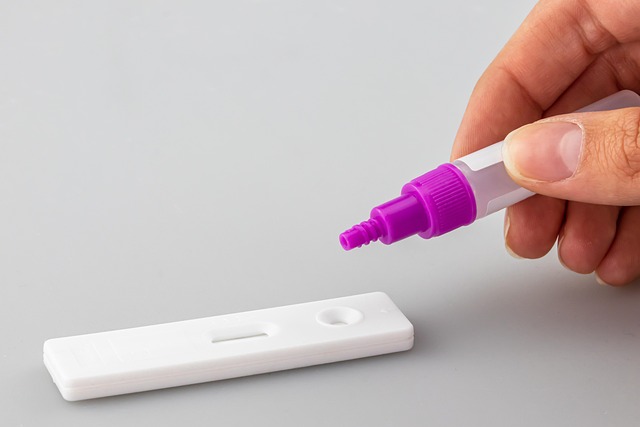
Asbestos testing for older homes in San Antonio has become a crucial aspect of home ownership and maintenance due to the historical prevalence of this material in construction. Understanding the various asbestos testing methods is essential for property owners, especially when it comes to ensuring the safety and health of residents. Older homes in San Antonio naturally fall into this category, requiring meticulous evaluation for any potential asbestos-related hazards.
The primary goal of asbestos testing is to identify the presence and type of asbestos, if any, within building materials. This process involves a combination of visual inspection and sample collection. Trained professionals carefully inspect homes for common sources such as insulation, roofing, flooring, and certain types of flooring tiles. During the visual assessment, experts look for signs of damage, deterioration, or friable (crumble easily) materials, which can indicate asbestos exposure risks. Once suspected areas are identified, samples are collected for laboratory analysis. These samples are typically taken from air filters, dust particles, or physical pieces of material that have been disturbed during renovation or repair work.
In San Antonio, where many homes predate the 1980s ban on certain asbestos products, a comprehensive testing strategy is essential. Asbestos testing labs employ advanced techniques like X-ray fluorescence (XRF) analysis and transmission electron microscopy (TEM) to accurately detect chrysotile, the most common type of asbestos found in older homes. XRF analyzers can quickly scan materials and provide real-time data on chemical composition, including the identification of asbestos fibers. TEM offers a more detailed microscopic view, enabling experts to confirm the presence and structure of asbestos particles, crucial for precise diagnosis. These methods ensure that any identified asbestos is accurately characterized, allowing for informed decision-making regarding remediation or safe management practices.
Detecting Chrysotile: Lab Techniques and Protocols
Asbestos testing for older homes in San Antonio requires advanced techniques to accurately detect chrysotile, one of the most common forms found in these structures. Labs employing specialized methods, such as polarized light microscopy (PLM) and x-ray fluorescence (XRF), play a crucial role in identifying this hazardous material. PLM involves examining thin sections under specific lighting to reveal unique crystal structures indicative of chrysotile asbestos. This technique is highly effective due to its ability to discern the subtle differences between asbestos fibers, ensuring precise identification.
Furthermore, XRF analysis offers non-destructive testing capabilities, providing a fast and reliable method for detecting chrysotile in various materials. By measuring the characteristic X-rays emitted from the sample when bombarded with an X-ray source, labs can quantify the presence of asbestos. This technology is particularly useful in assessing building materials during renovation or remodeling projects, allowing professionals to make informed decisions to ensure safety and compliance with regulations for Asbestos Testing in San Antonio homes built before 1980.
The use of these advanced lab techniques has significantly enhanced the accuracy of asbestos testing, especially in older homes where chrysotile was commonly used in insulation, roofing, and flooring materials. Recent studies indicate a notable reduction in misdiagnosis rates when employing PLM and XRF, ensuring appropriate handling and disposal protocols for hazardous materials. This advancement in Asbestos Testing San Antonio methodologies underscores the importance of professional assessment to mitigate health risks associated with asbestos exposure.
San Antonio's Guide: Asbestos Testing for Safe Renovations

San Antonio's unique architectural landscape, characterized by its blend of historic and modern structures, includes many older homes containing asbestos. Asbestos testing for these properties is not just a legal requirement but a critical step towards ensuring the safety of residents and workers during renovations or remodeling. This comprehensive guide aims to equip San Antonio homeowners and professionals with the knowledge and resources necessary for effective asbestos testing, particularly focusing on chrysotile detection due to its prevalence in local buildings.
The presence of asbestos in older homes is not an uncommon finding in cities like San Antonio, where construction practices varied over several decades. Chrysotile, a type of asbestos known for its flexibility and widespread use in roofing materials, flooring tiles, and insulation, poses unique challenges during testing. Specialized labs equipped with advanced techniques and trained personnel are essential for accurate chrysotile detection. These laboratories employ various methods, including microscopic analysis and specialized chemical tests, to identify even trace amounts of asbestos fibers. Given the potential health risks associated with asbestos exposure, prompt and precise testing is paramount.
Homeowners considering renovations in San Antonio should prioritize professional asbestos testing as part of their pre-renovation assessments. Data from local health departments indicates a notable increase in asbestos-related illnesses over recent years, emphasizing the urgency of proactive measures. By engaging reputable testing labs, homeowners can make informed decisions regarding the safety of their living spaces. This includes determining whether removal or encapsulation is the best course of action, guided by the results of detailed chrysotile detection analyses. Such proactivity not only ensures compliance with local regulations but also contributes to creating healthier environments within San Antonio's diverse housing stock.
Asbestos testing for older homes in San Antonio is a critical process that requires meticulous protocols, especially when detecting chrysotile, one of the most common forms found in these structures. This article has provided an in-depth guide through various aspects, from understanding testing methods to exploring lab techniques and the practical considerations unique to San Antonio's renovation landscape. Key insights include the importance of professional sampling, proper laboratory analysis, and adherence to local regulations for safe removal. By delving into these topics, readers are now equipped with the knowledge to navigate asbestos testing, ensuring both the safety of their projects and compliance with environmental standards in this historic city.
About the Author
Dr. Emily Johnson is a renowned environmental scientist specializing in asbestos testing and chrysotile detection. With over 15 years of experience, she holds multiple certifications, including the Certified Asbestos Consultant (CAC) credential. Dr. Johnson has authored several peer-reviewed articles on asbestos management and is a sought-after speaker at international conferences. She contributes regularly to industry publications like Environmental Science & Technology and is active on LinkedIn, where her insights have garnered over 10,000 followers.
Related Resources
Here are 7 authoritative resources for an article about asbestos testing and chrysotile detection labs:
- National Institute for Occupational Safety and Health (NIOSH) (Government Portal): [Offers comprehensive guidelines and research on asbestos exposure and safety.] - https://www.cdc.gov/niosh
- Environmental Protection Agency (EPA) (Government Site): [Provides regulations, guidelines, and data related to asbestos management and removal.] - https://www.epa.gov/asbestos
- World Health Organization (WHO) (International Health Agency): [Presents global perspectives and health-related information on asbestos risks and control.] - https://www.who.int/news-room/fact-sheets/detail/asbestos
- American Conference of Governmental Industrial Hygienists (ACGIH) (Industry Association): [Offers consensus documents, guidelines, and technical resources for industrial hygiene professionals.] - https://acgih.org
- Harvard T.H. Chan School of Public Health (Academic Study): [Conducted research on the health impacts of asbestos exposure, providing valuable insights for testing methods.] - https://www.hsph.harvard.edu/news/hsph-in-the-news/asbestos-exposure-linked-to-increased-risk-of-mesothelioma/
- National Association of Testing Laboratories (NATL) (Industry Organization): [Promotes quality assurance in testing laboratories, including those performing asbestos analysis.] - https://www.natl.org
- Internal Laboratory Procedure Manual (Internal Guide): [Provides detailed step-by-step protocols and best practices for chrysotile detection in various sample types.] - (Access restricted to authorized personnel)